
Those of you that know me, know how much I love my sunsets … but oh boy, do we have a perfect site for a sunrise … breathtaking, just breathtaking!

Our day of exploration today included the Hart County Botanical Garden. It is an outstanding example of what can be achieved in a small community when there is a partnership between gardening enthusiasts, civic groups, county and city government, private businesses, and churches.

The project was the vision of Anne King, a member of the first Hart County Master Gardeners class in 1997. In 2000, the Hart County Board of Commissioners approved the local development of the Botanical Garden and Nature Trails.

In 2003, fourteen graduate students from UGA School of Environmental Design submitted plans for the garden. The result was that the best elements were incorporated into the always changing site. Master Gardeners have been working on a number of garden areas: sun perennials, camellia, hosta, fern, rhododendron, children's, memorial trees, brick pavers, bog, and butterfly sections. The sun perennial garden was designated as a "Gold Medal Plant Selection" demonstration garden with more than 50 specimens.

The garden is located on a 6 -acre tract adjacent to the Recreation Park, just south of downtown Hartwell. It is free and open to the public 365 days a year from dawn to dusk. The mostly wooded property is divided by a gently flowing stream, which is surrounded by large maples and poplars.

In recent years, the community groups have added a pergola, a beautiful water feature fountain, a pavilion which also serves as an outdoor meeting room and classroom, an amphitheater/outdoor classroom, a potting shed, and an information kiosk by the entrance.

Volunteer gardeners have created lovely bright sun perennial, memorial, herb and butterfly gardens that inspire. Others present to the community cool gardens filled with hostas, ferns, camelias, rhododendrons, and native plants in the dappled shade of tall trees.

Since 1998 the organization has held an annual plant sale to raise money for the continued maintenance and development of the Botanical Garden. Always in April, they have a large plant sale spanning 3 days. People in the community line up at the gate with carts and wheelbarrows for the opening moment!

During the pandemic of 2020, HCBG was not able to hold the Annual Plant Sale. Since they had already purchased plants and with no way to conduct the sale, the Friends of the Garden took and planted thirty of the native azalea bushes along the path from the entrance to the Anne King Garden and created the Spirit Garden to remember that difficult time for the country. This garden is dedicated to "Hart County's Front Line Heroes and the intrepid community that supports them."

Anne King Garden is dedicated to Anne King, she was a member of their first Master Gardener class in 1997. She proposed the idea of developing a botanical garden in Hart County that would be a place of beauty and education for the area citizens. Her vision became a reality in 2000 when work on the garden began. Anne worked for 31 years with the Hart County Extension Office and retired in 2004. She looked forward to having more time to dig in the Hart County Botanical dirt, but sadly, passed away in 2006.

Anne was a collector of plants, and Japanese maples and hellebores were among her favorites. Look for these special plants honoring her in the garden. She treasured all plants, especially 'pass-along' plants and the connections with friends that they held. Many native perennials and shrubs are planted in the Anne King Garden so that something will be blooming almost year round. There are also many 'pass-along' plants that were generously donated by Anne King's Master Gardener friends. The cherub fountain incorporates Anne's love of water features with the widespread belief that she has now taken the role of guardian angel of the garden. In developing this garden they hoped to express their thanks to Anne for her vision and her unbridled spirit.

The goal of the Children's Garden is to provide an interesting and educational place for children and parents to visit and enjoy. Here they can learn about nature by observing insects, the soil, ground covers, snakes, and plants that don't look like animals, but have animal names.

They will also be fascinated to observe what is happening in the Insect House. In a children's playscape there are picnic tables, a children's garden along with a 40' curvy "snake" sculpture using a variety of ground covers to replicate "stripes.

Don't miss the nearby Free Little Library filled with books
to enjoy during your stay and sit and play a game of checkers!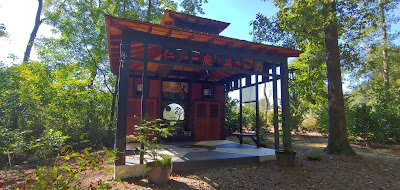
The Asian Garden incorporates aspects of traditional gardens
found throughout Asia. The lovely Moonhouse is the garden's centerpiece
utilizing natural building elements and Japanese design style. Also in this
garden you'll find statues, bambo fences, and plants typical of Asian gardens. 
William Bartram was a naturalist and explorer who lived from 1739 to 1823. He traveled extensively throughout the southeastern United States around the time of the Revolutionary War. Thanks to his journals and drawings, the garden workers had accurate record of the plants, animals, and Native Americans that were living at this time in our area. Bartram was responsible for documenting the Franklinia Tree (Franklinia alatamaha) that is today extinct in the wild. He discovered this tree growing along the Altamaha River in Georgia and named it for his family friend, Benjamin Franklin.
In the Heritage Garden, you will find many varieties of beautiful Camelias. These gorgeous shrubs flower during the winter and help to keep the garden pretty year round. This garden also serves as a bird sanctuary with differing types of birdfeeders to attract all kinds of birds. A prominent feature here is Mamaw's House. Designed to resemble a traditional southern back porch, make yourself comfortable here in one of our old-fashioned rocking chairs.
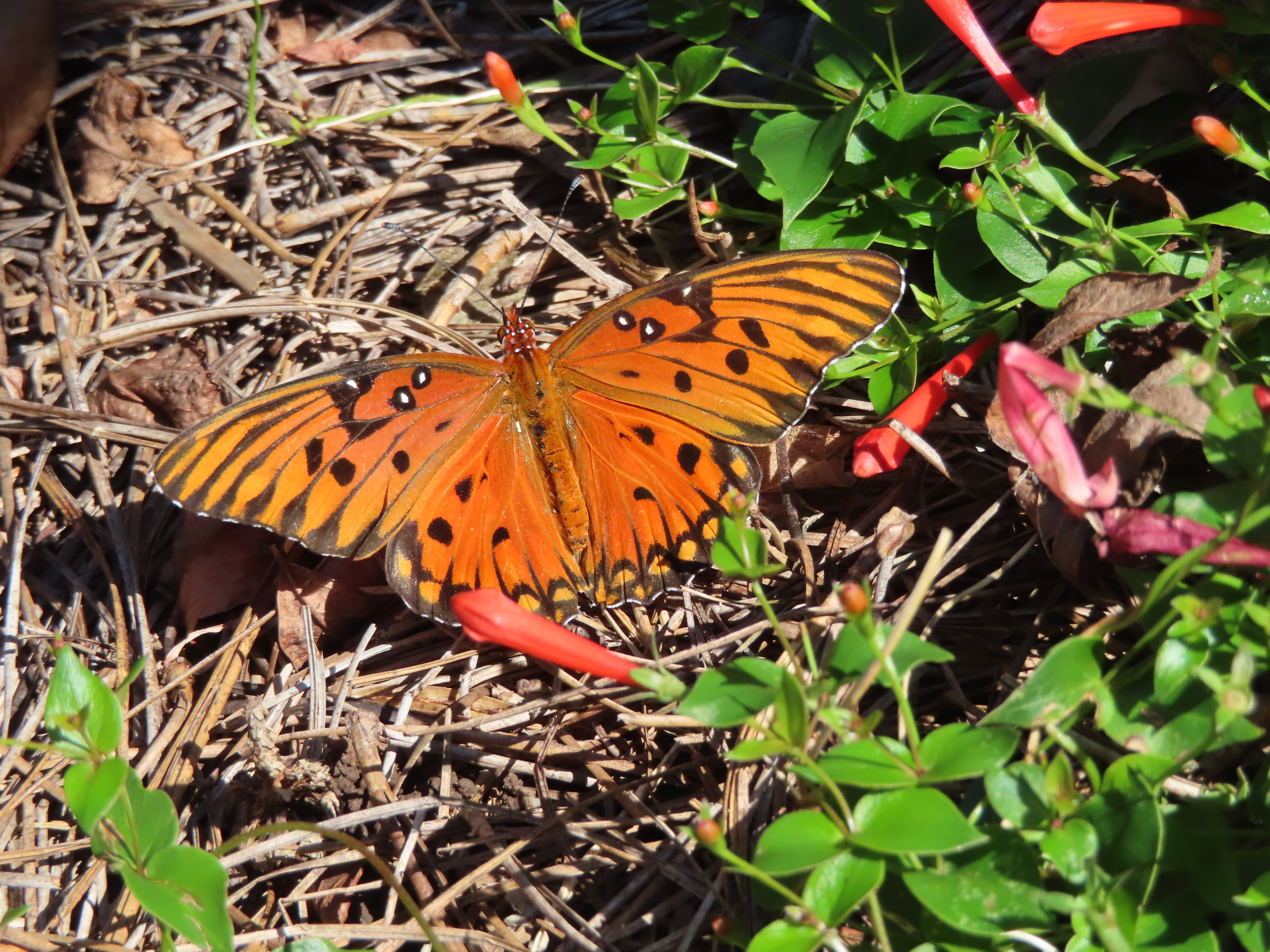
Just before we left, these three beauties landed for us to capture their pictures.


Peggy, Janet and I stopped at Goodwill on our way back and we had a good time picking out dresses for Peggy to wear to her Granddaughter’s wedding … some were just for laughs …
We did find a perfect jacket … we just need to put together the rest of the outfit!
We ended the day together with a wiener roast and tasty side dishes!


William Bartram was a naturalist and explorer who lived from 1739 to 1823. He traveled extensively throughout the southeastern United States around the time of the Revolutionary War. Thanks to his journals and drawings, the garden workers had accurate record of the plants, animals, and Native Americans that were living at this time in our area. Bartram was responsible for documenting the Franklinia Tree (Franklinia alatamaha) that is today extinct in the wild. He discovered this tree growing along the Altamaha River in Georgia and named it for his family friend, Benjamin Franklin.

In the Heritage Garden, you will find many varieties of beautiful Camelias. These gorgeous shrubs flower during the winter and help to keep the garden pretty year round. This garden also serves as a bird sanctuary with differing types of birdfeeders to attract all kinds of birds. A prominent feature here is Mamaw's House. Designed to resemble a traditional southern back porch, make yourself comfortable here in one of our old-fashioned rocking chairs.

Just before we left, these three beauties landed for us to capture their pictures.


Peggy, Janet and I stopped at Goodwill on our way back and we had a good time picking out dresses for Peggy to wear to her Granddaughter’s wedding … some were just for laughs …

We did find a perfect jacket … we just need to put together the rest of the outfit!
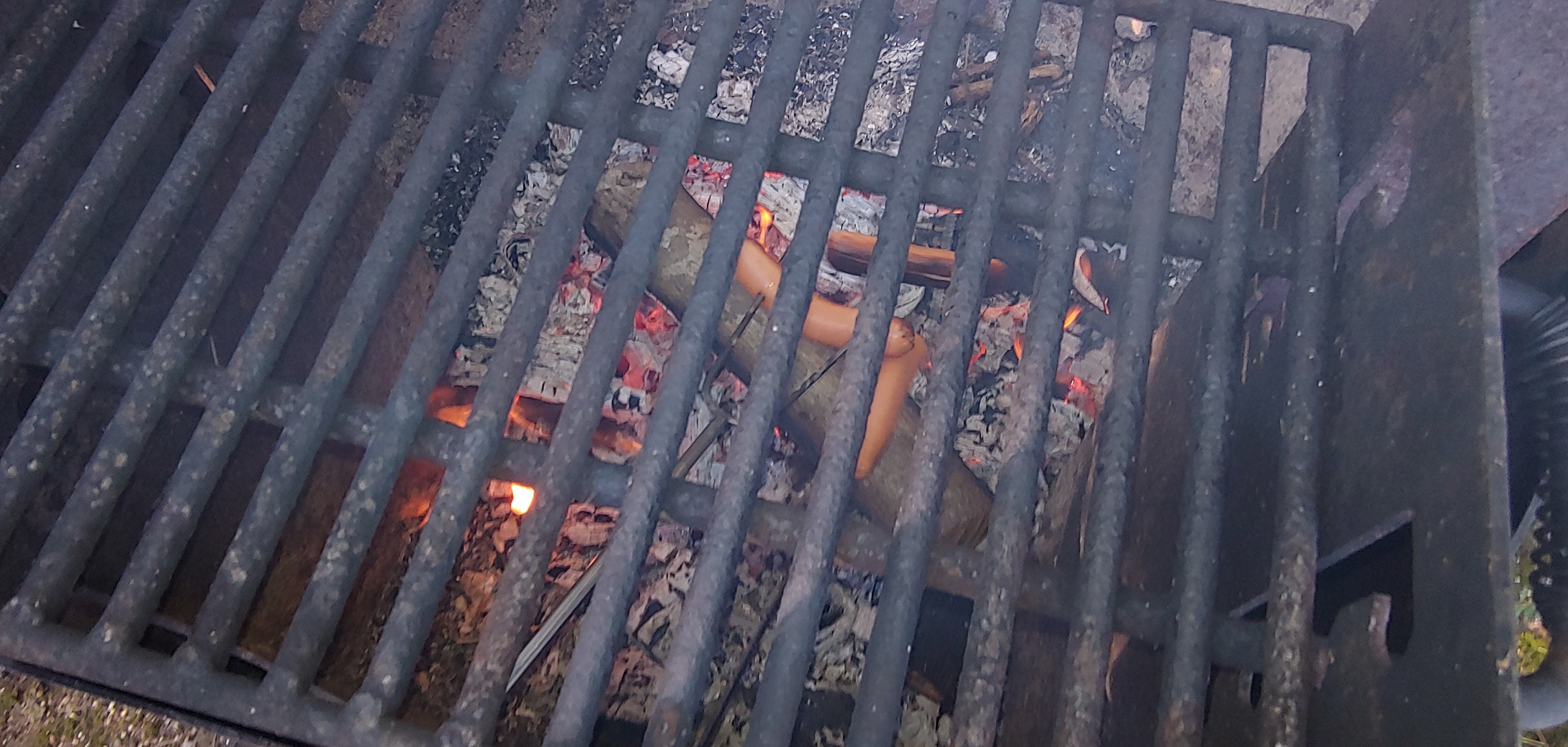
We ended the day together with a wiener roast and tasty side dishes!


